Patient & Caregiver site



mLM, sometimes referred to as lymphangioma circumscriptum, is a rare vascular malformation characterized by abnormal proliferation of lymphatic vessels within the skin and subcutaneous tissues. The disease is driven by somatic activating mutations in PIK3CA, resulting in constitutive activation of PI3K signaling and downstream mTOR pathway hyperactivation.1,2
mLM is congenital, typically presenting at birth. It's often visible on the skin and may rupture and leak lymph. Repeated cycles of ruptures, bleeding, and healing cause mLM to thicken over time. mLM also tends to progress with age—often worsening as children go through puberty.2
When mLM forms on the skin, it can resemble other skin conditions, such as:
Blisters
Non-specific rashes
Viral exanthems such as molluscum
Contact dermatitis
Hemangioma
Herpes
Warts
Skin cancer
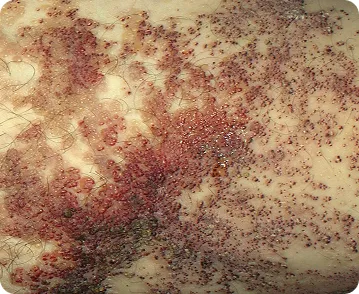
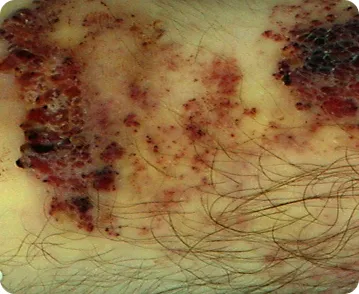
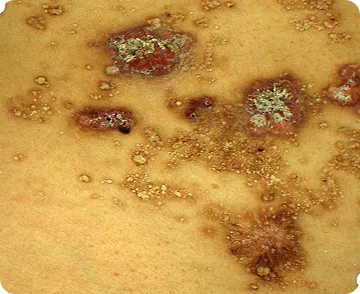
mLM typically presents on the skin and can leave patients feeling emotionally and physically burdened. Depending on the size and location of the lesions, patients have reported changes in mental health due to their heightened anxiety and sensitivity about their appearance.
Patients with mLM and their caregivers frequently express concern about their lesions leaking, bleeding, or having to avoid movements or activities that could potentially rupture their lesions and lead to infections. The daily burden of living with mLM can lead to social and emotional challenges, as well as other health concerns.
Some physical, social, and emotional challenges of cutaneous mLM can include:


*
Based on interviews with adult patients (n=5) who participated in a Phase 2 clinical trial conducted by Palvella Therapeutics.
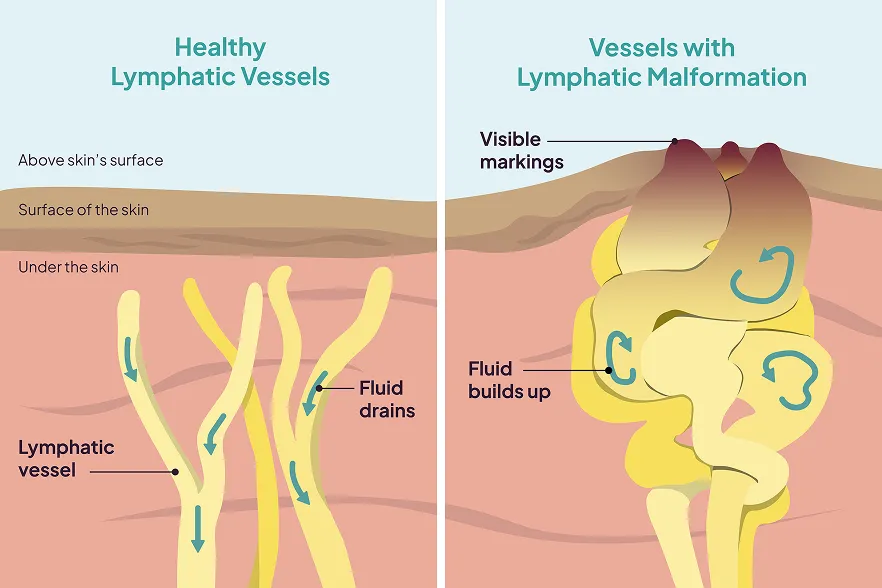
There is no spontaneous regression in mLM. Surgical resection or sclerotherapy may be considered for some patients, but are often challenging in mLM due to its infiltrative, diffuse nature. Furthermore, following these non-specific and destructive treatments, symptoms often return due to the genetic, proliferative nature of the disease.3,4
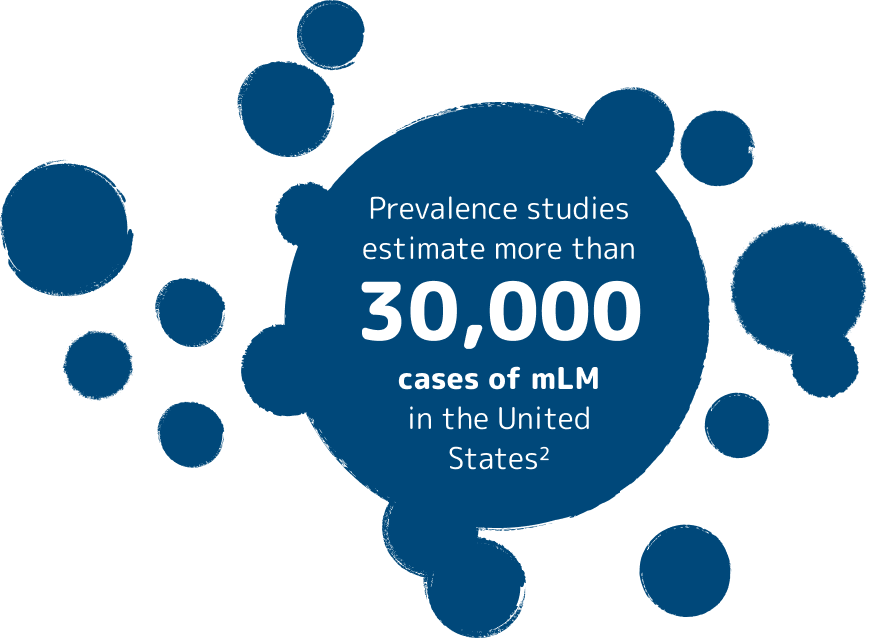
Palvella is proud to partner with the medical community on research to address the significant unmet need among mLM patients. We hope our collective efforts may result in an approved medical treatment.

Provide the following information to receive unbranded education resources for patients with microcystic lymphatic malformation.
Educational content was created in partnership with nonprofit organizations and experts, including CaNVAS, LGDA, LE&RN, PeDRA, and VAccess.org. These organizations are committed to providing valuable clinical content and resources for healthcare providers treating skin diseases and vascular anomalies and supporting the patients they serve.